
Compare Local Contractors for Artificial Turf Installation Services
Compare local contractors for artificial turf installation to define project scope, verify experience, and set clear expectations in writing for a successful outcome.
Artificial turf installation involves a range of tasks that go beyond simply laying down synthetic grass. Contractors typically handle site preparation, which includes clearing existing surfaces, grading, and ensuring a stable base for the turf. They also manage the precise laying of the artificial grass, securing it properly to prevent shifting or wrinkles. Additional work may involve installing edging, drainage systems, and infill materials to ensure the turf performs well and maintains its appearance over time. Understanding the full scope of services offered helps property owners plan effectively and ensures the project meets their specific needs.
Defining the scope of work is a critical step in working with contractors for artificial turf installation. Clearly outlining what is included-such as site preparation, installation, and finishing touches-helps prevent misunderstandings and sets realistic expectations. It’s important to discuss any potential additional work that might arise, such as repairs or adjustments, and to have these details documented in writing. A well-defined scope also provides a basis for comparing bids from different service providers, allowing property owners to evaluate what is included and ensure consistency across proposals.
When evaluating local contractors for artificial turf projects, property owners should consider experience and the range of services offered. Verifying how long a contractor has been working in the area and their familiarity with local conditions can be helpful. It is also useful to review the scope of work they typically provide and to ask for references or examples of completed projects. Comparing service providers based on their communication, professionalism, and the clarity of their proposals can assist in selecting a contractor that aligns with project expectations. Making informed choices helps ensure the installation process proceeds smoothly and results meet the property's needs.
Compare local contractors by outlining project priorities, verifying experience, and setting clear expectations in writing.
- Compare Contractor Experience - Review the background and project portfolio of local service providers to assess their expertise in artificial turf installation.
- Define Project Scope - Clearly outline the work details and expectations to ensure mutual understanding before beginning the project.
- Verify Credentials and References - Check references and verify the reputation of local contractors to gauge their reliability and quality of work.
- Document Agreements in Writing - Ensure all project details, scope, and expectations are documented to prevent misunderstandings.
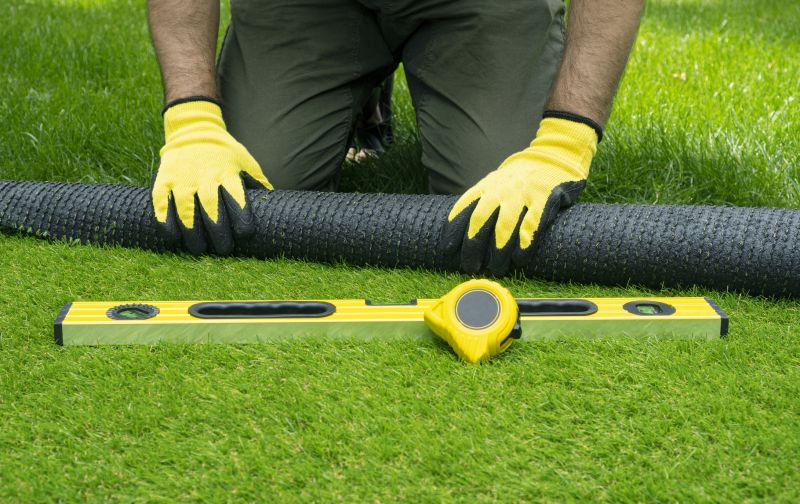
Clearly describe your artificial turf project to help compare local contractors, verify experience, and set expectations in writing.
- Verify experience and expertise in artificial turf installation to ensure quality workmanship. - Review the contractor’s previous projects and client references related to turf installation.
- Define the scope of work clearly in writing to prevent misunderstandings and ensure all expectations are documented. - Make sure the contractor provides a detailed description of materials, preparation, and installation processes.
- Assess the contractor’s knowledge of surface preparation, including sub-base and drainage considerations. - Confirm that service providers understand proper site prep to ensure long-lasting results.
- Check that the contractor offers a comprehensive installation plan outlining each phase of the project. - Ensure the scope includes site assessment, surface grading, and turf laying procedures.
- Compare multiple local contractors to evaluate their experience, scope of work, and professionalism. - Use consistent criteria to assess their proposals and ensure they meet project requirements.
- Confirm that all project details, including materials, installation methods, and warranties, are documented in a written agreement. - Protect the project by having a clear, signed contract before work begins.
Compare local contractors, clarify project scope, verify experience, and set clear expectations in writing.
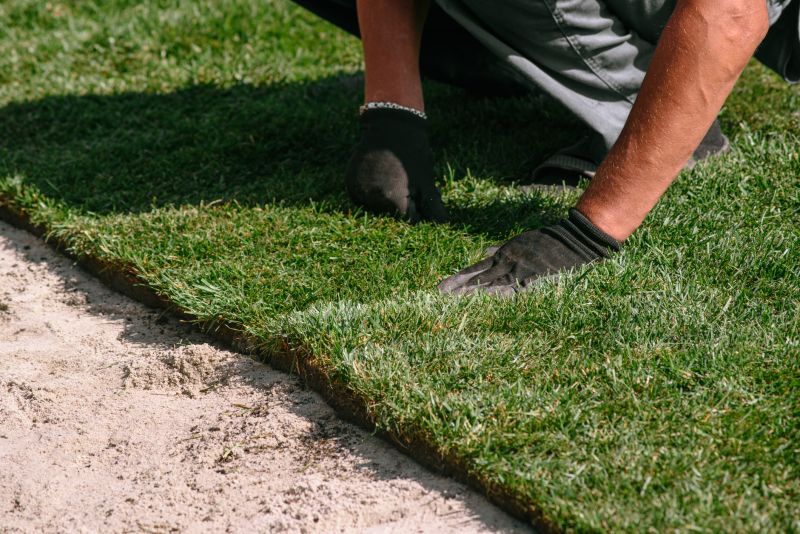
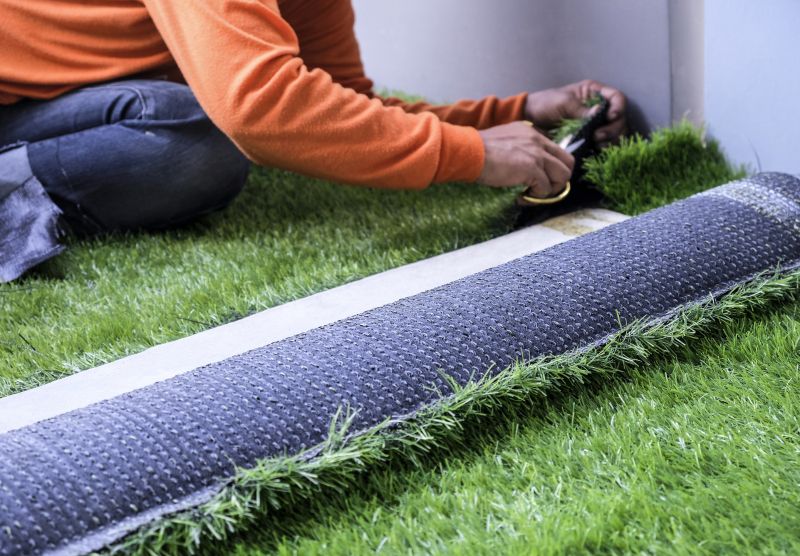

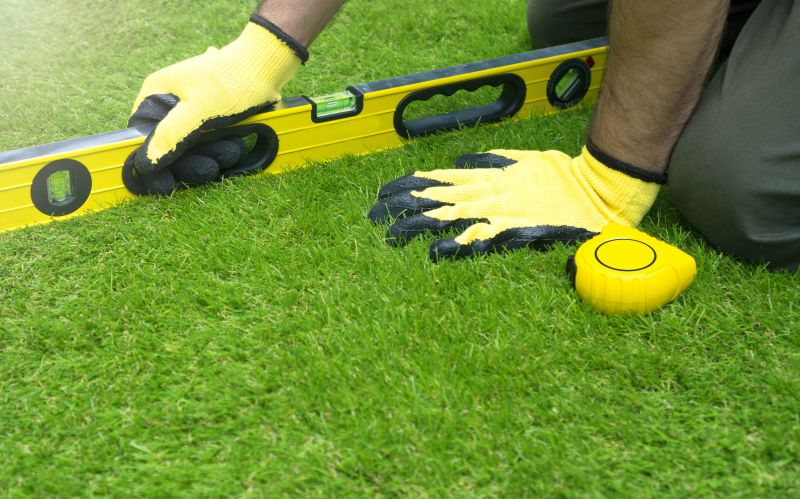
Use consistent scope definitions across local contractors to accurately compare their experience and set clear expectations.
- Project Scope - Clearly define the area and specific features of the artificial turf installation to set expectations.
- Material Specifications - Specify the type, quality, and brand of artificial turf preferred for the project.
- Installation Process - Outline the steps involved in the installation to ensure understanding of the procedure.
- Experience and References - Verify the experience of local contractors and request references for similar projects.
- Written Agreement - Ensure all details, including scope and materials, are documented in a comprehensive contract.
When comparing contractors for artificial turf installation, it’s important to assess their experience with similar projects. Inquire about the types of properties they have worked on and the scope of past installations. Service providers with a history of handling projects comparable in size and complexity are more likely to understand the specific requirements and challenges associated with your site. This background can help ensure that the chosen contractor has the practical knowledge needed to deliver a successful outcome.
A clear, written scope of work is essential for establishing mutual understanding and setting expectations. When evaluating contractors, look for detailed proposals that outline the specific tasks, materials, and methods they plan to use. This documentation helps prevent misunderstandings and provides a basis for comparing different service providers’ approaches. A comprehensive scope also demonstrates professionalism and transparency, making it easier to identify the contractor that aligns best with your project needs.
Verification of a contractor’s basics involves confirming their experience, reputation, and approach to quality assurance. Ask for references or examples of completed projects similar to yours, and consider how they communicate their process. Clear, consistent information about their methods and standards can indicate a contractor’s reliability. Additionally, verifying that they have appropriate insurance coverage and proper licensing or credentials, where applicable, can provide peace of mind that the project will be handled responsibly.
Evaluating options without focusing on prices involves examining how each contractor presents their services and how well they understand your project. Consider their level of professionalism, the clarity of their communication, and the thoroughness of their proposals. Comparing the scope of work, experience, and approach can help determine which service providers are well-suited to meet your needs. By prioritizing expertise and clarity, homeowners can make informed decisions and select local contractors capable of delivering quality artificial turf installation.
Request written scope and expectations to ensure clear, consistent understanding when comparing artificial turf installation contractors.
- Experience and Credentials - What experience do local contractors have with artificial turf installation projects similar to yours?
- Scope of Work - How do contractors define and outline the scope of the turf installation to ensure all aspects are covered?
- Materials and Equipment - What types of artificial turf and installation methods do service providers typically recommend for different needs?
- Project Expectations - How do local contractors clarify the expected outcomes and set clear deliverables in writing?
- Comparison Criteria - What key factors should be used to compare different contractors’ approaches and scope definitions?
What should I consider when choosing a contractor for artificial turf installation? It's important to compare local contractors based on their experience, services offered, and reputation. Ensuring they understand your specific needs and can define the scope of work clearly helps set proper expectations.
How can I verify a contractor’s experience with artificial turf projects? Ask for details about their previous work, including types of turf installed and project sizes. Request references or examples of completed installations to assess their expertise.
What questions should I ask a contractor before hiring for artificial turf installation? Inquire about their process, materials used, warranty options, and how they handle site preparation. Clarify what is included in the scope of work and how changes are documented in writing.
Why is it important to have a written scope of work with a contractor? A written scope helps prevent misunderstandings by clearly outlining the work to be done, materials, and responsibilities, ensuring both parties have aligned expectations.
How can I compare different contractors effectively? Review their experience, scope of services, and references. Ensure they provide clear, detailed proposals and are transparent about the process to facilitate an informed decision.
What role does communication play in the contractor selection process? Open, transparent communication helps clarify project details, expectations, and scope, making it easier to compare options and choose the right professional for artificial turf installation.
By exploring the information provided, visitors can better understand the importance of clearly defining project scope, verifying the experience of service providers, and establishing written expectations when selecting contractors for artificial turf installation. This approach helps ensure a smooth process and aligns choices with individual needs. Utilizing the quote form allows for easy comparison among local contractors, making it simple to connect with qualified service providers who can handle the job.
Taking the time to compare local contractors through the available quote form empowers visitors to identify options that match their project requirements. Gathering details and setting clear expectations in writing can support a more informed decision-making process. This step helps connect with experienced service providers capable of managing artificial turf installation effectively.